Explore how AI is reshaping dev teams, challenging traditional roles, and introducing new dynamics in software development, focusing on speed, safety, and value.
Agentic development shifts security focus from code to coder, requiring new tools and metrics as AI agents rapidly create and modify software.
AI Native DevCon'26 in London focuses on challenges of deploying AI agents in production, featuring four tracks on engineering, orchestration, enablement, and governance.
OpenAI is phasing out self-serve fine-tuning, citing advanced models reducing its necessity, signaling a shift in enterprise AI towards infrastructure challenges.
Sourcegraph's study of 1,281 agent runs in large codebases identifies infrastructure, not model capability, as the main bottleneck, revealing five common failure patterns.
OpenAI identifies five patterns for scaling AI in enterprises, focusing on operational integration, governance, and engineering ownership over model capabilities.
Yugabyte's Meko addresses multi-agent AI production issues by providing a shared memory and coordination layer, tackling state synchronization challenges in complex workflows.
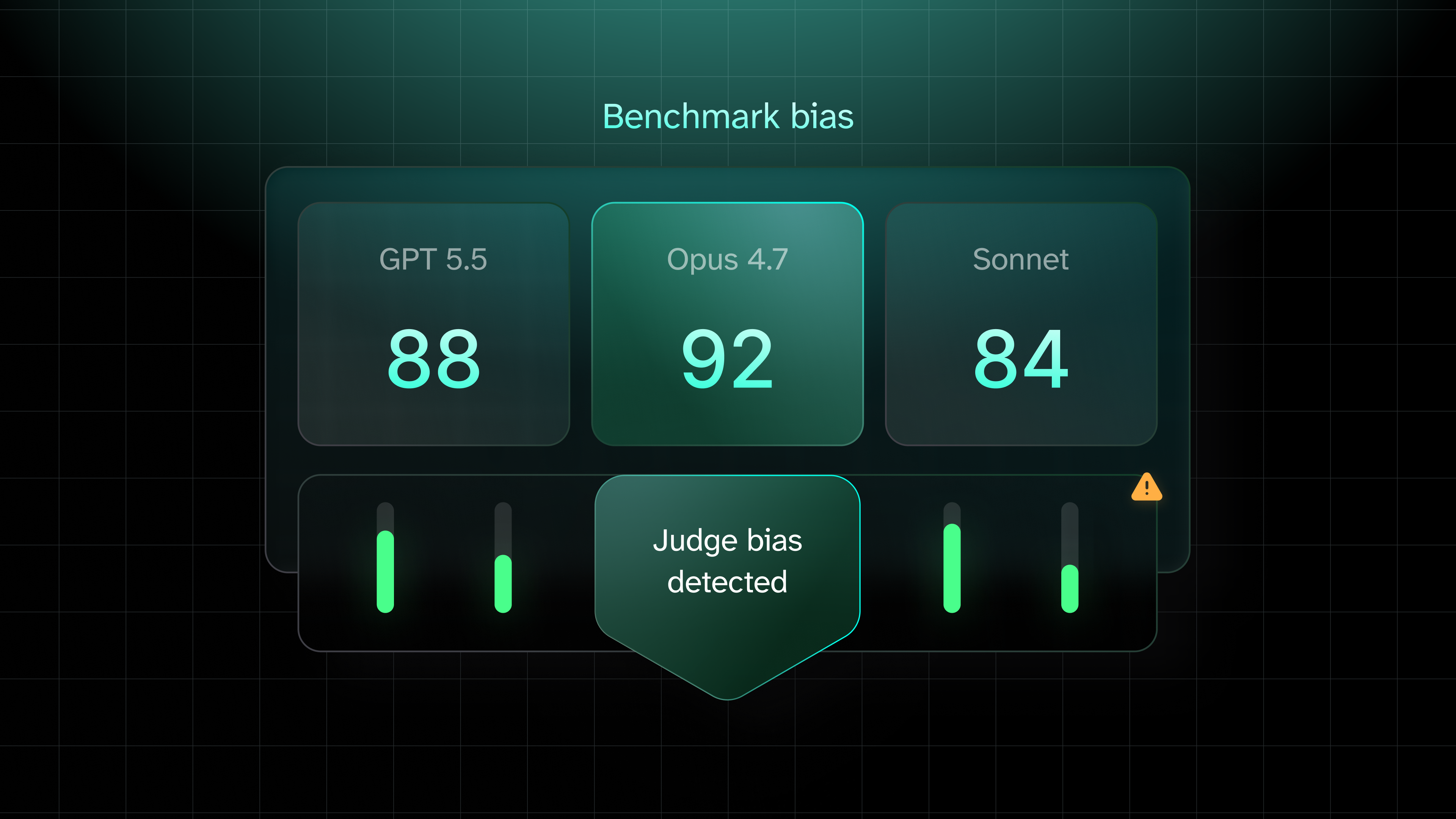
Benchmarking AI models with single LLM judges can skew results due to judge bias. Multiple judges reveal score variations, suggesting a need for diverse evaluation methods.
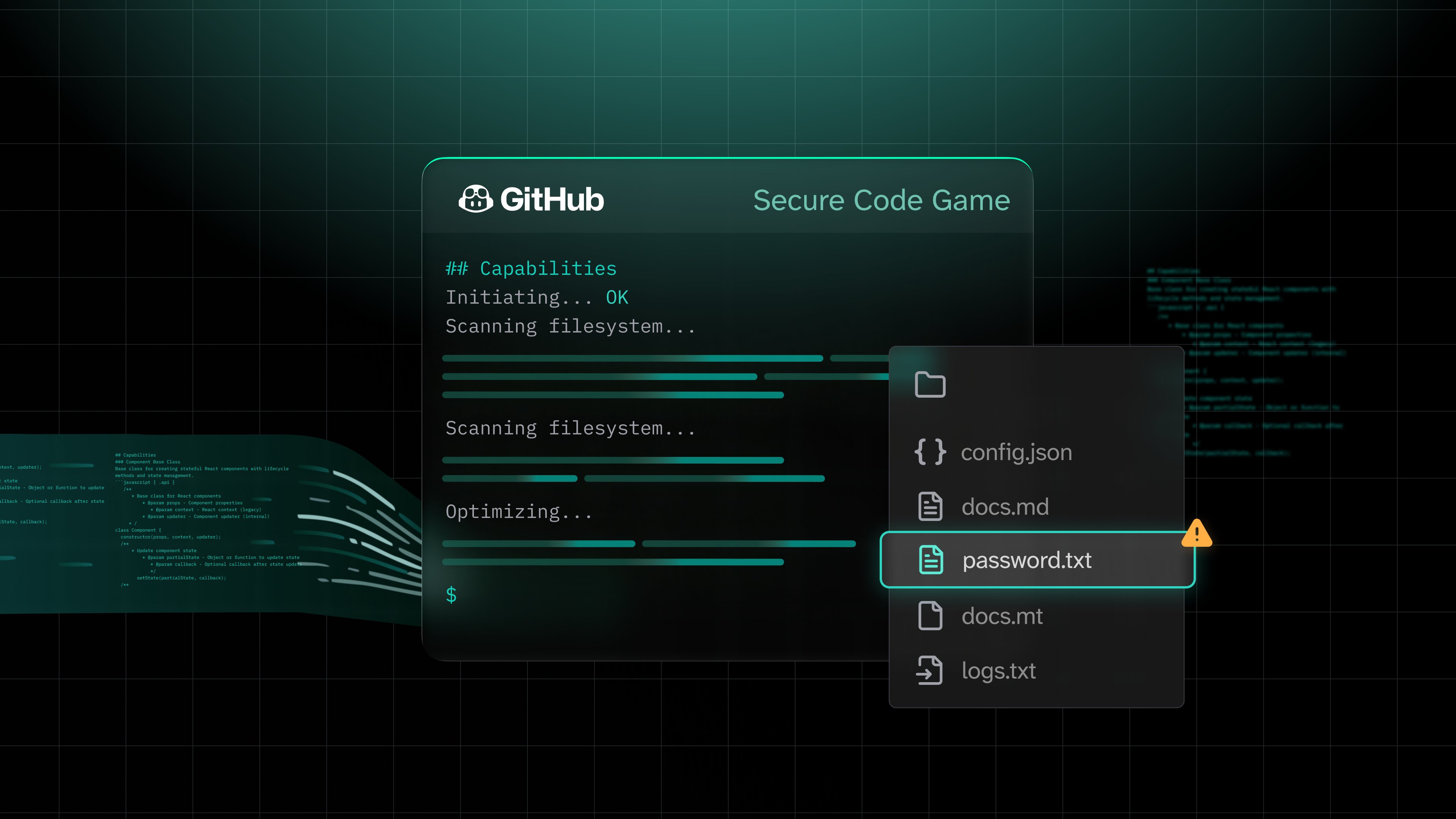
Explore AI security skills with GitHub's Secure Code Game. Season 4 focuses on agentic AI, teaching developers to exploit and fix vulnerabilities in AI systems.
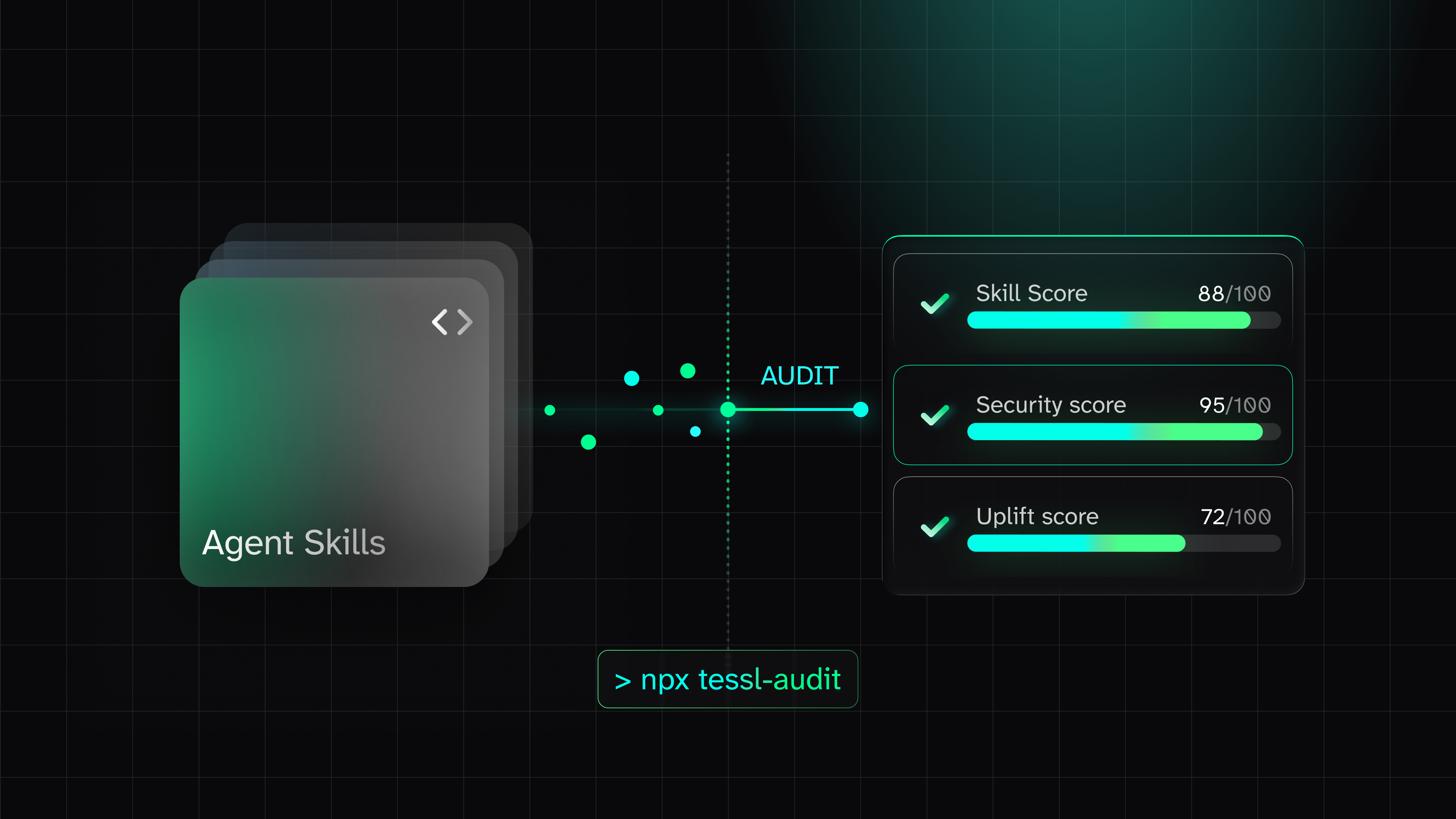
Learn how 'tessl-audit' helps secure AI agent plugins by scanning for vulnerabilities, assessing quality, and ensuring plugins enhance agent performance.
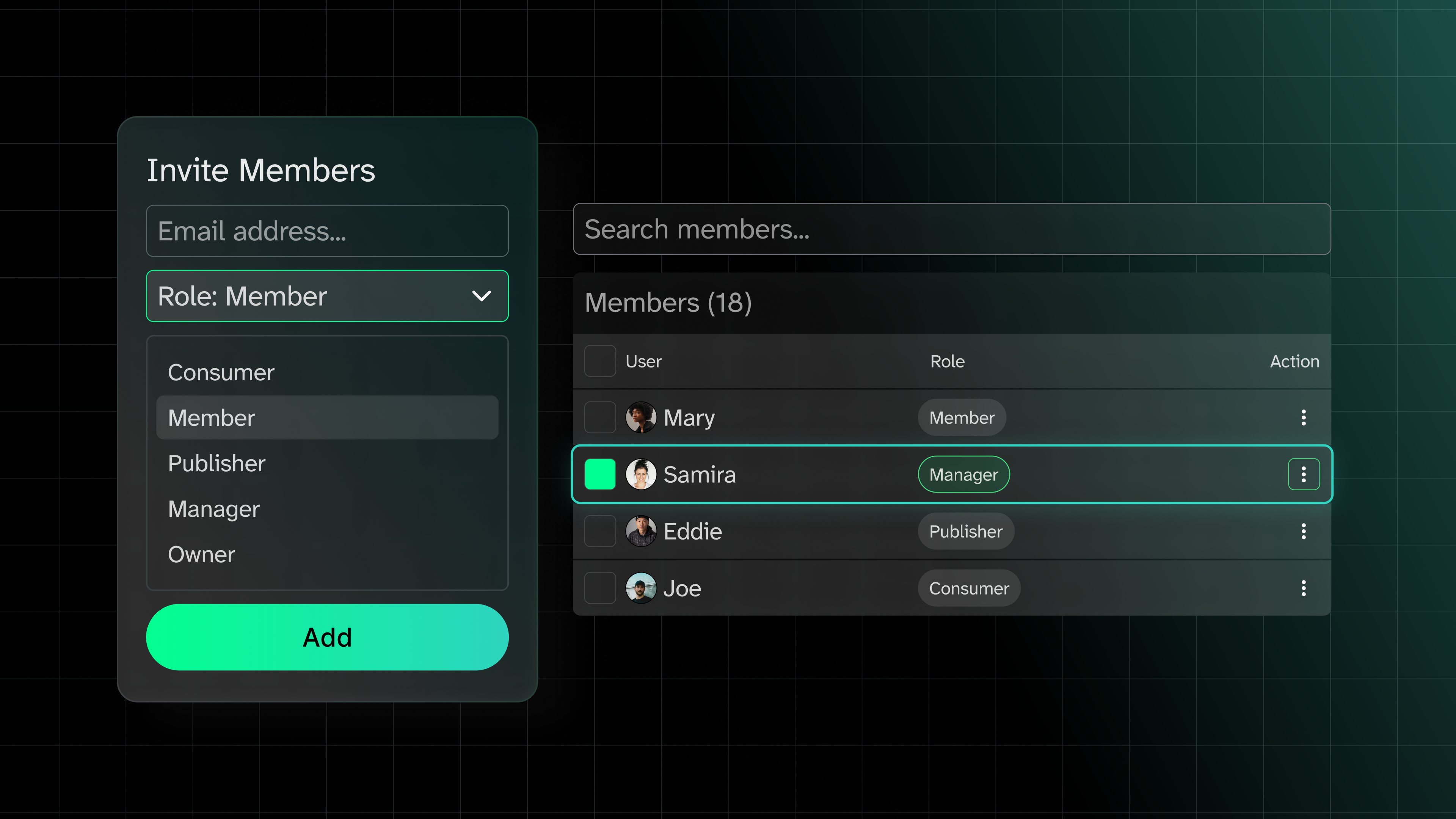
Learn how to manage Tessl organizations, workspaces, and roles, including user invitations, policy settings, and workspace creation for efficient team collaboration.
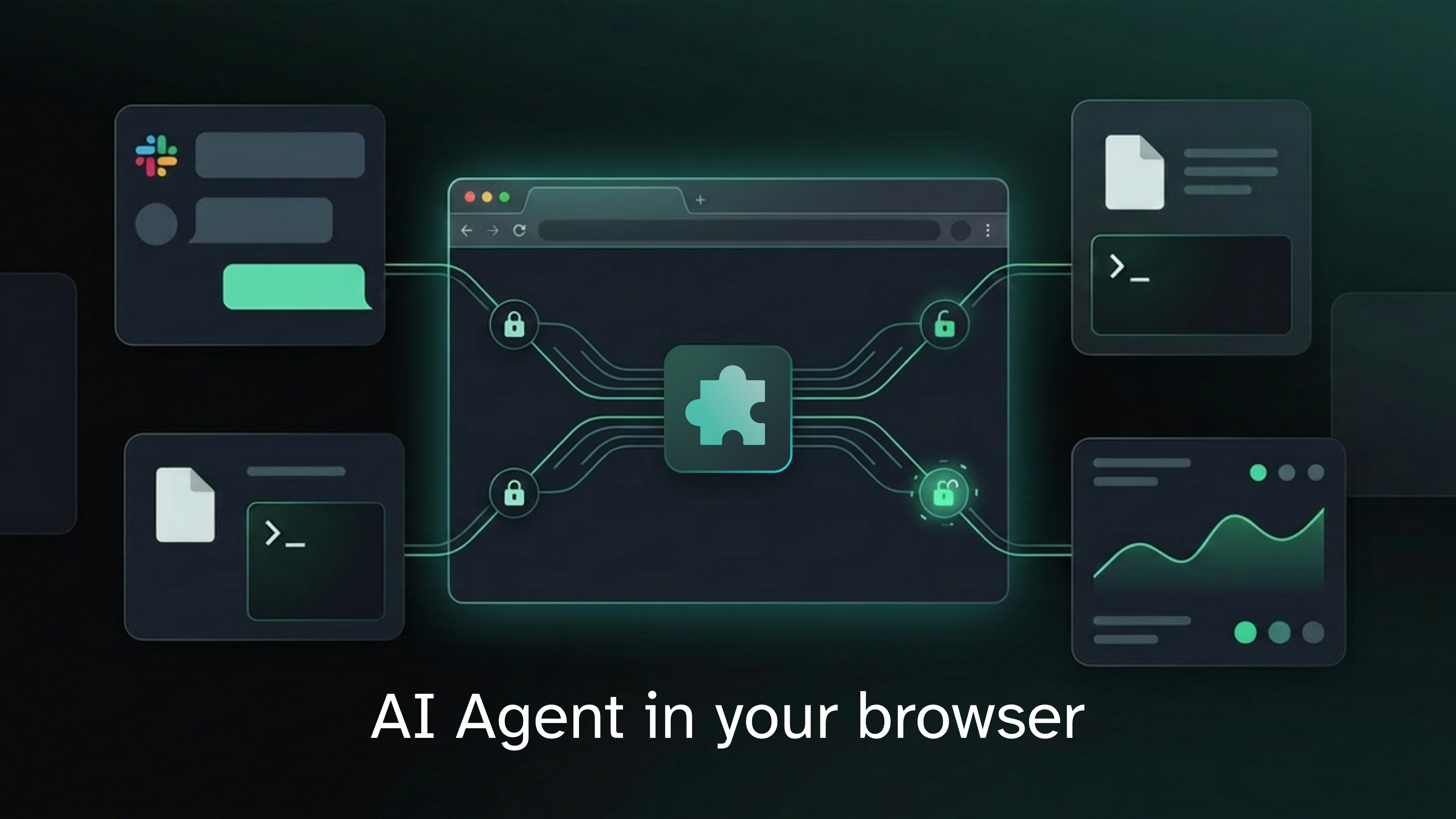
Explore three types of AI agents, focusing on browser-native agents and their potential to transform AI workflows by operating directly within web environments.